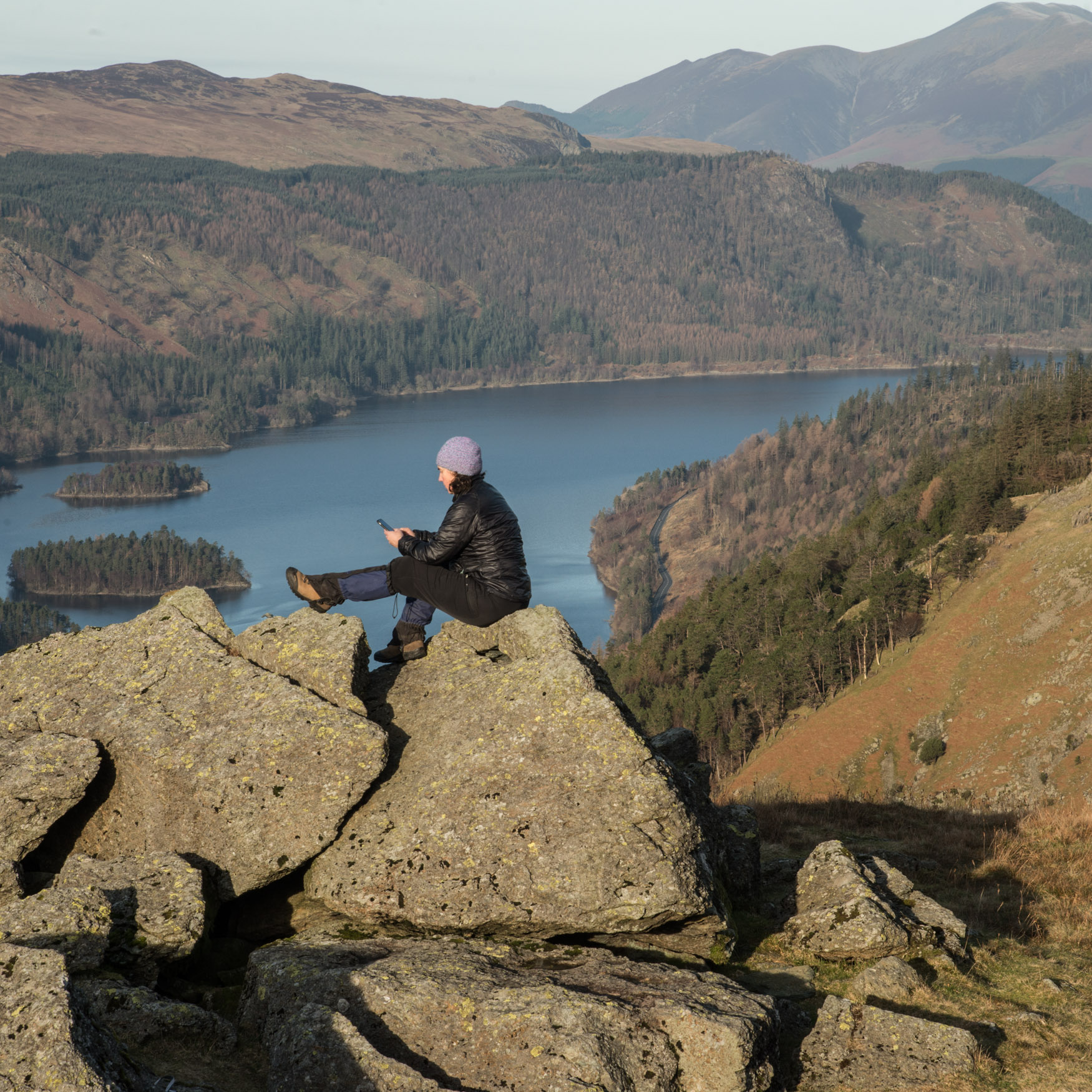
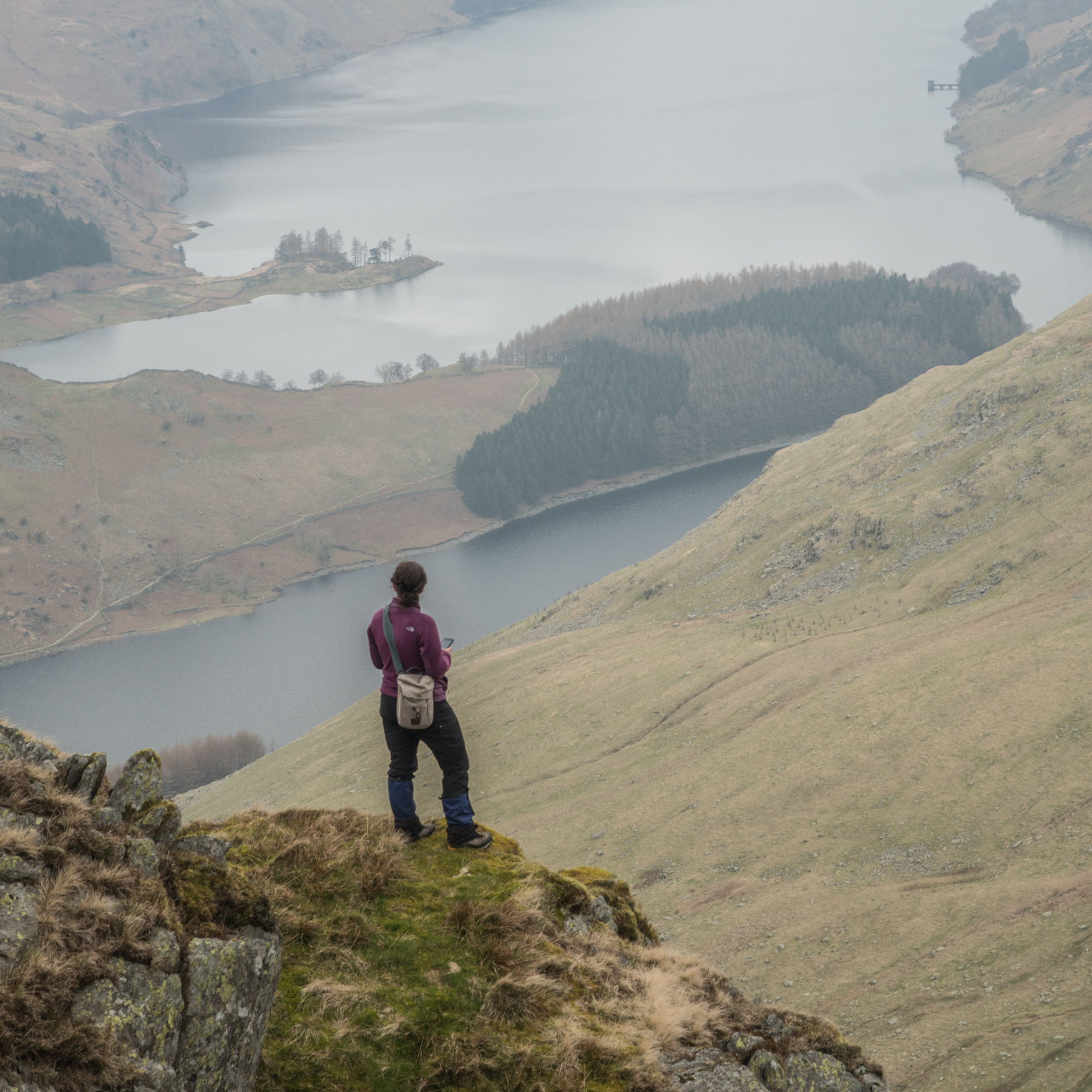
Sense of Here takes an artful approach to place, using walking, photography, poetry and debate to explore the natural environment and our relationship with places we treasure. It is centred in the Lake District National Park which is our own personal ‘back-yard’ and is a place we love; but what we learn is not exclusive to this place.
Sense of Here takes a local-global view: what’s relevant in one place is likely to be relevant in many others so there are local specificities, and there are some universal themes. As the project unfolded, it became increasingly evident that all things are inter-connected, with one thing impacting another.
Through our research and the contributions of people from their own home places, this project considers many viewpoints in the context of one fundamental issue: the need to nurture a healthy environment that supports nature as well as thriving human cultures.
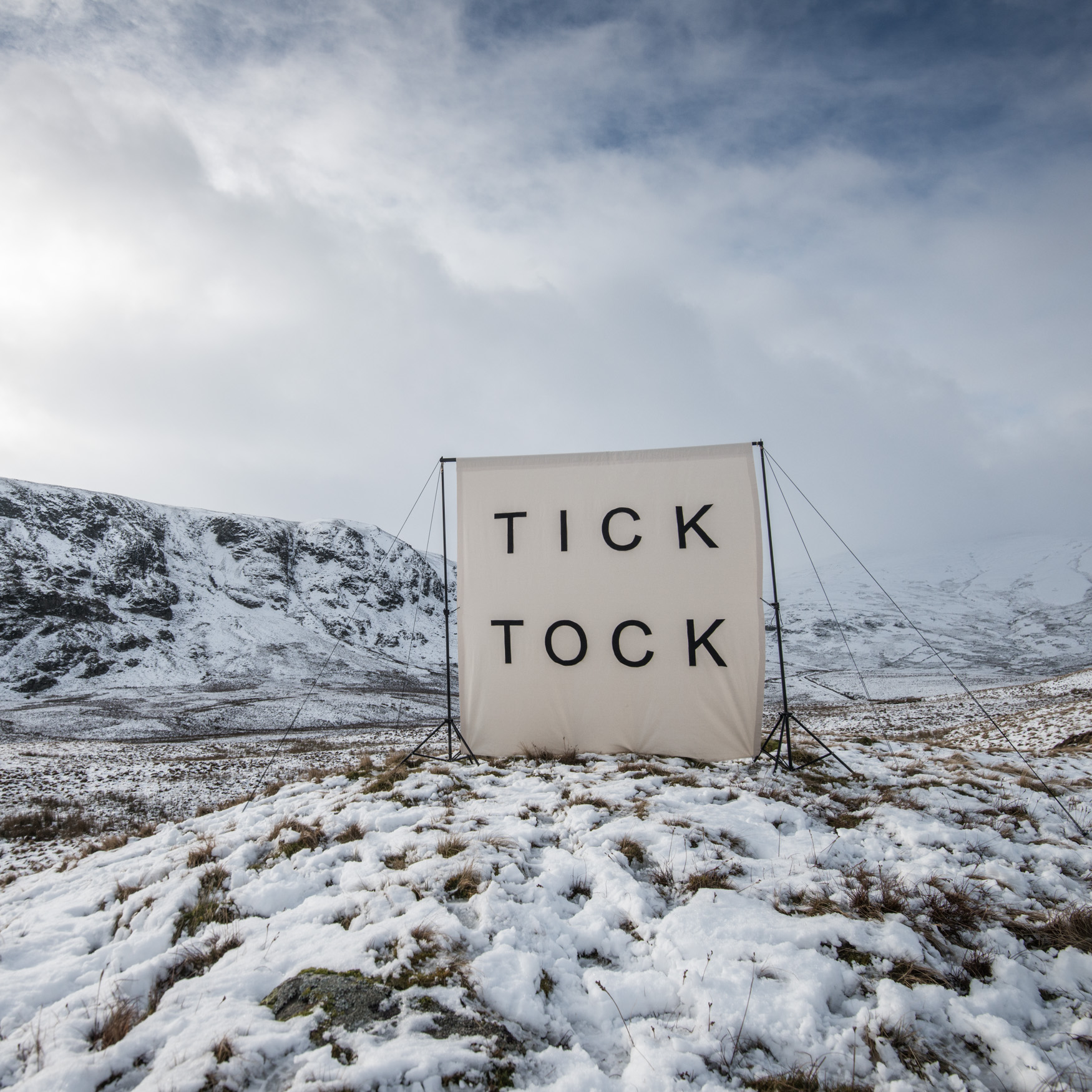
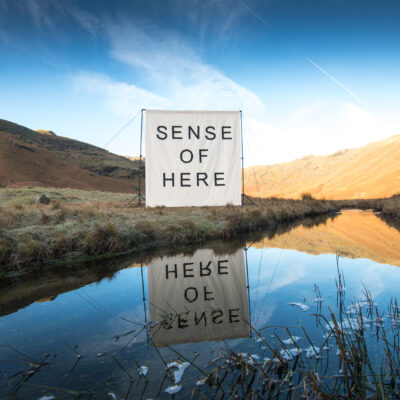
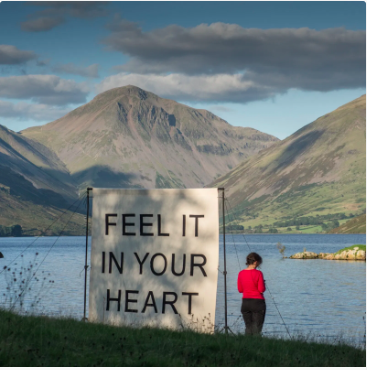
In our year of field research (2019) we installed a poem canvas at 12 locations, made 12 wild camps, researched 12 themes of place, and interviewed more than 50 specialists. The resultant collection fed into an exhibition and a film. Workshops planned for 2020 were cancelled due to lockdowns, but there are future plans.
A year in the field, with research and enquiry
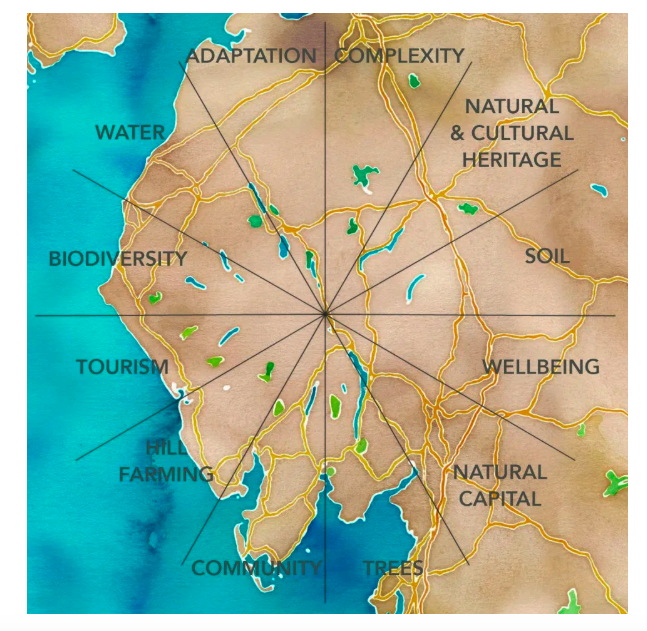
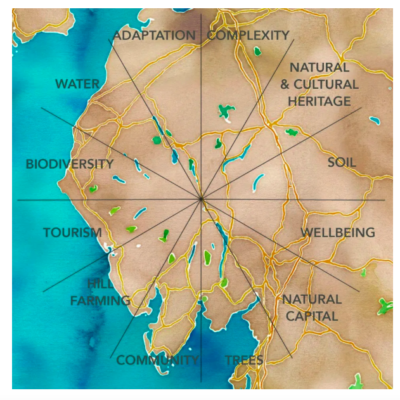
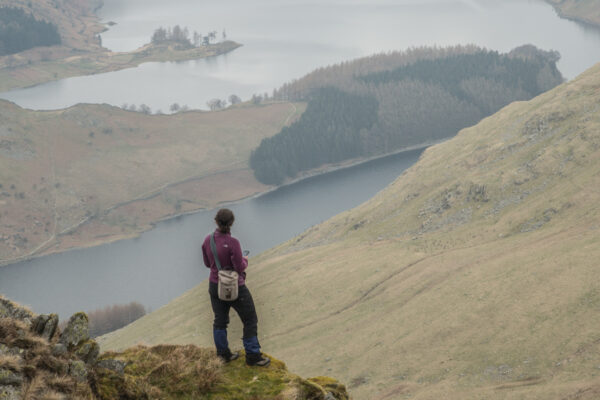
Through 2019 our ‘field work’ in the Lake District imagined the national park as a clock face. Each hour became a focus for a month, and in each 30-degree section we spent time walking and talking to people who know the area well.
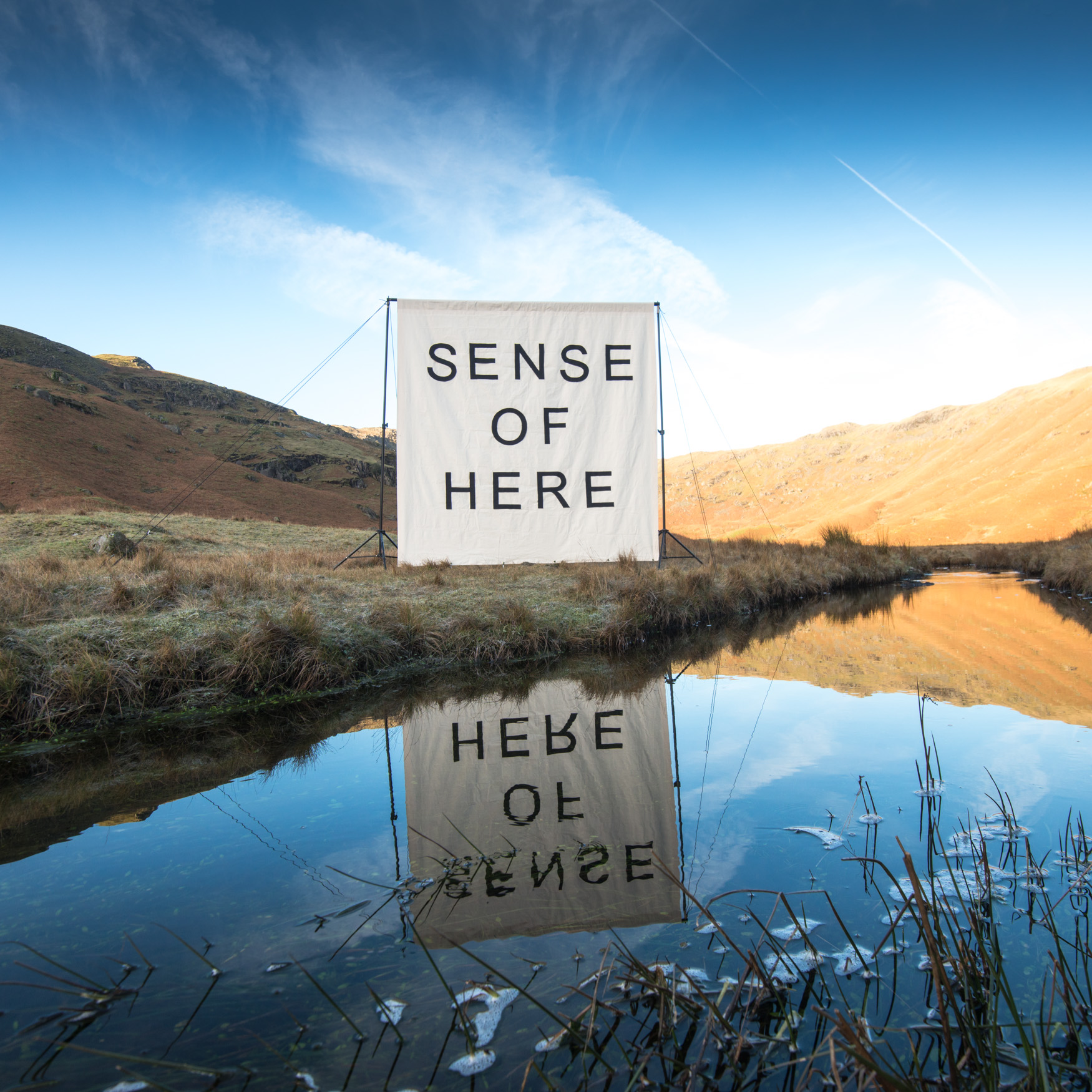
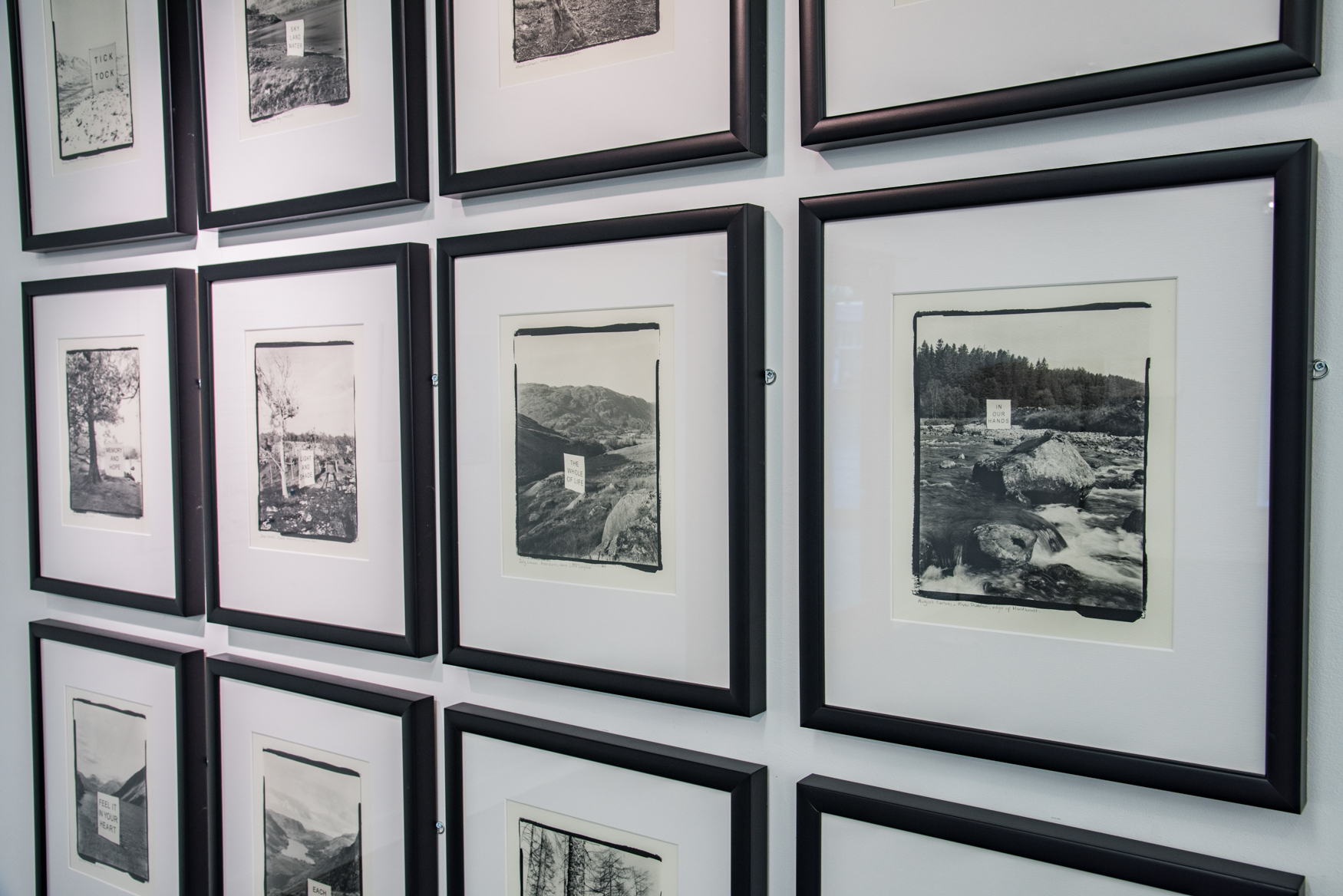
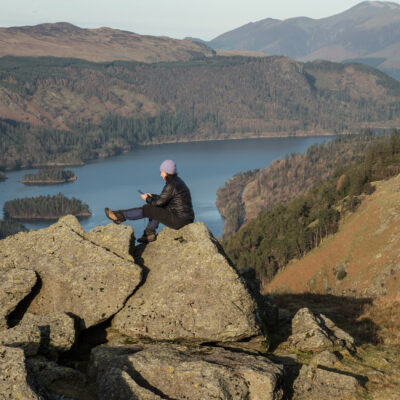
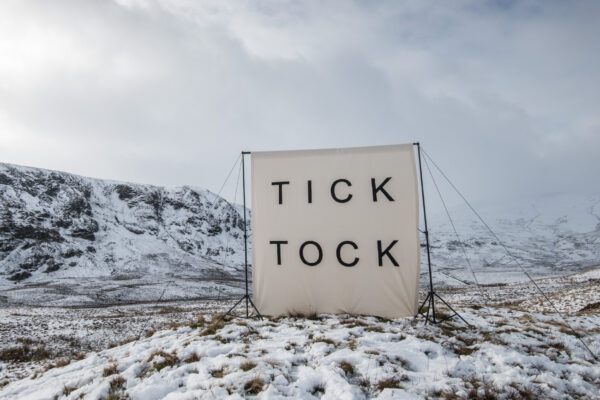
And every month we camped. We pitched our small tent as close to the 30-degree transect lines as possible, to help us really get a feel for the elements, the weather and the place. And each month we erected the Sense of Here canvas with a new line of writing on it: revealing, over the course of 12 months, a poetic sequence.
We’ve also been considering twelve ‘timely issues’ to be held in focus when trying to devise a sustainable way forward for this place. Our conversations with just under 50 specialists have given many insights, which we share in the exhibition and the book.
A collection of voices
Our Data of the Heart map is open to anyone to contribute to. You can head over to the map here to add your thoughts about the value of green and open spaces where you live, and your hopes and concerns for the future, and any reflections on the Lake District National Park if you have a connection to it. Click on the blue dots to read some of the responses already shared – more than 200 people have contributed – or visit this blog for more.
Artist Residencies
We were extremely happy to be able to offer a chance for four artists from the South Lakes and Craven districts to join us, and to visit curators from two prestigious Cumbrian art venues – the Wordsworth Trust and Grizedale Forest – for a four-day residency in September 2019. You can find out how this went in this blog, and browse the blog feed (check out the ‘residency’ category) to find out more from the participants.
In 2020 there would have been a second residency opportunity. Unfortunately this, along with our young people’s programme and Youth Summit, and a series of public walks, has had to be put on hold. These will be reimagined for 2021, wherever possible.
2020 – EXHIBITION
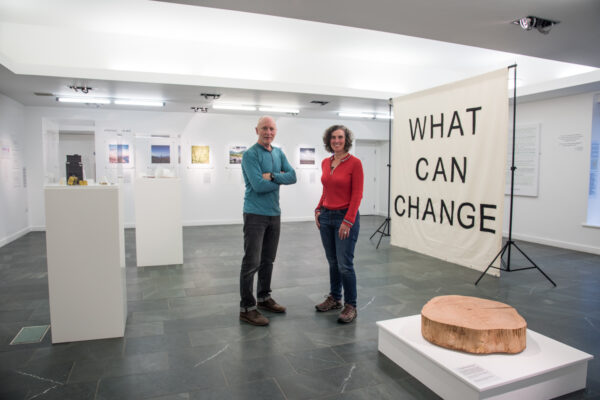
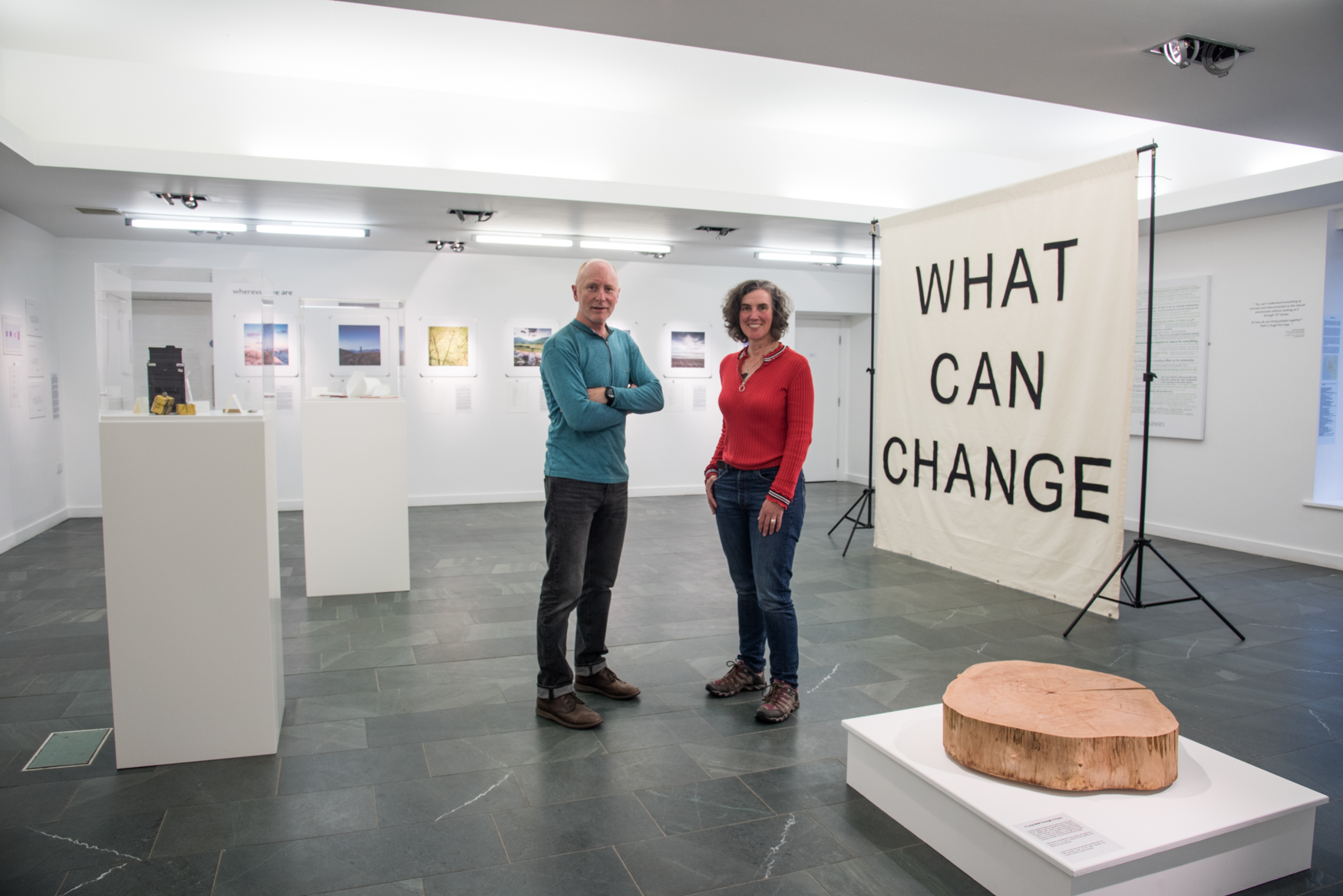
The Sense of Here Exhibition opened in the galleries at Grizedale Forest on October 1st, and will remain open for visits, daily, until December 13th.
We’re delighted to be showing again in this wonderful space, surrounded by woodlands, where artists have, for many decades, shared work and posed challenging questions.
In place of a physical launch party we hosted an online launch with a short film (click here for film) and a Live Q&A (click here). We faced so many questions we had to follow up with a blog … follow this link if you’re curious to know more.
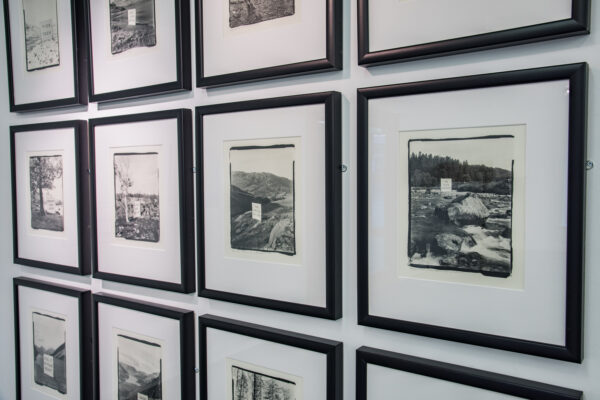
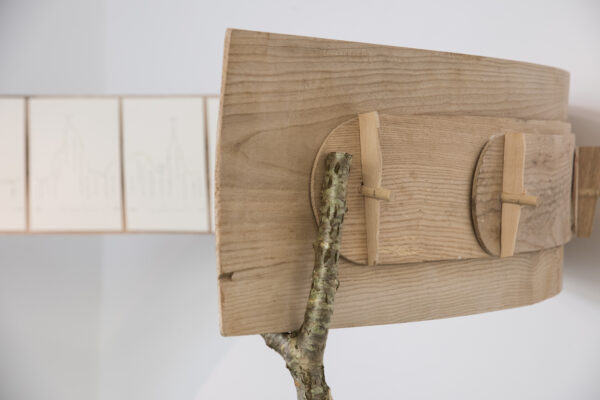
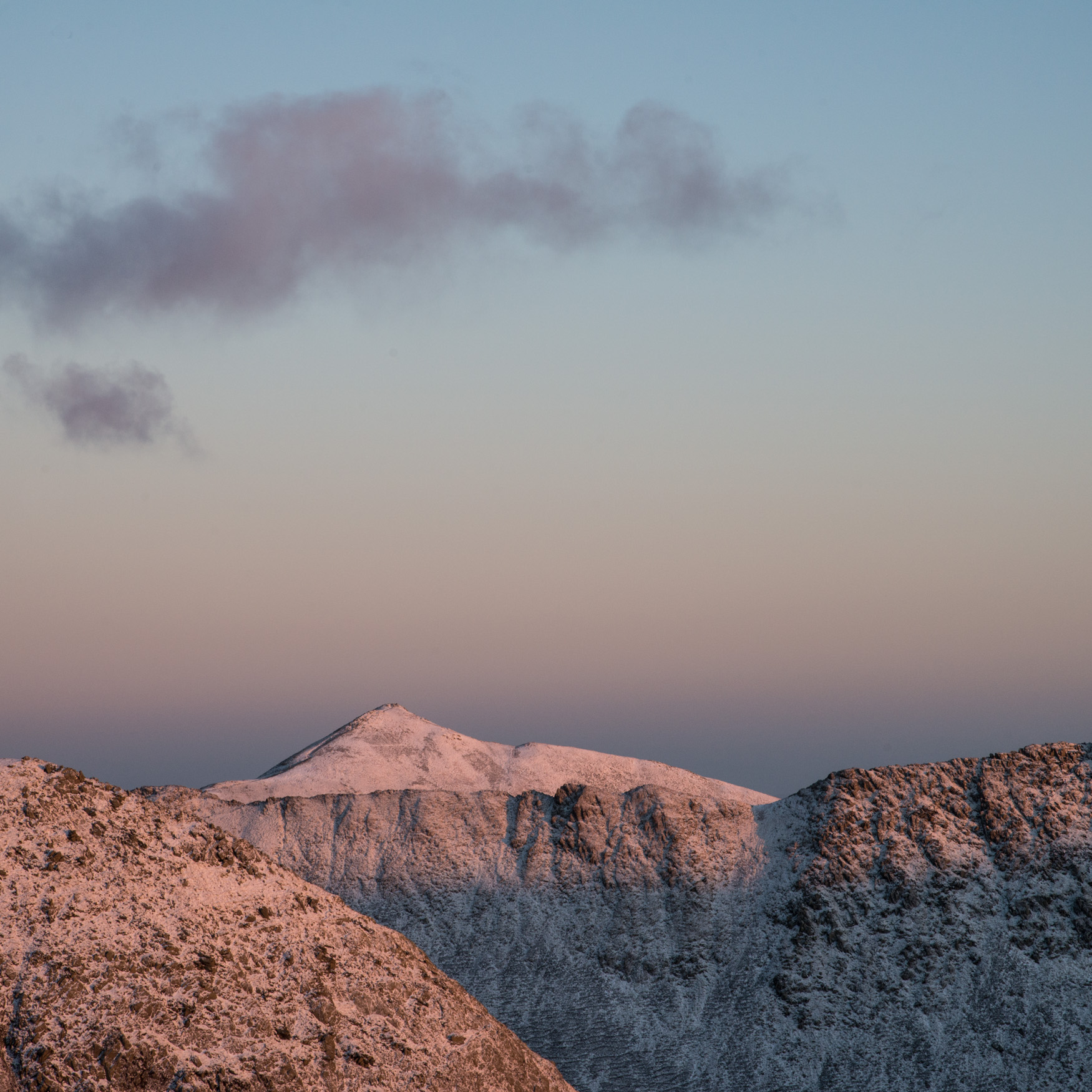
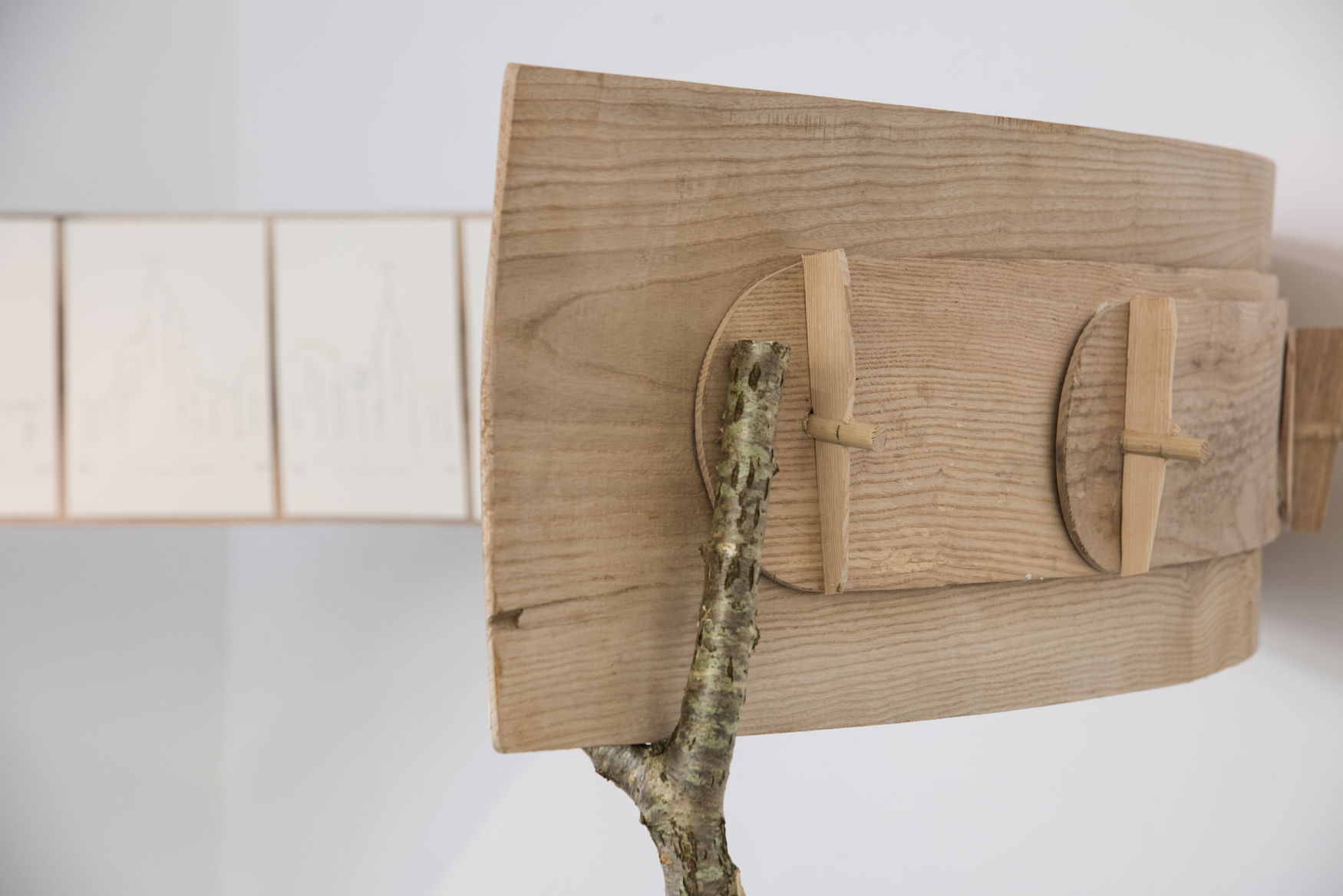
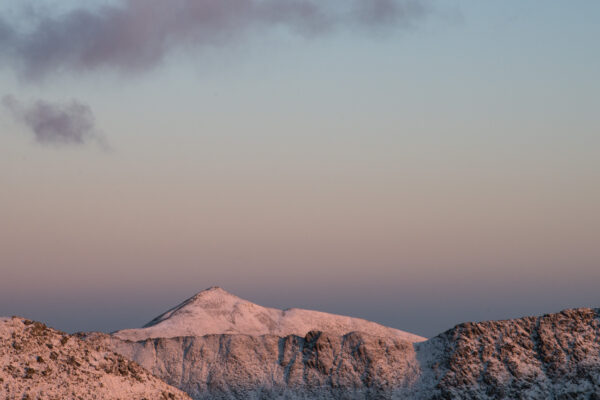
Photographs and poetry born from slow time outdoors are shared in the exhibition alongside insights we’ve gained from in-depth enquiries into different elements of landscape. We include the actual canvas that travelled around the National Park in 2019, and exhibiting hand-drawn poetic maps among other new work. We’ll also reveal insights gained from our collaboration with analysts at Lancaster University in a ‘Visualisation of Hope’ and we bring together contributions from more than 200 people in reflection on the value of the natural world and ways to care for and enhance loved and protected rural landscapes.